Data Protection Measures Within British Casino Applications
Written by Klara Richter · Nov 15, 2026
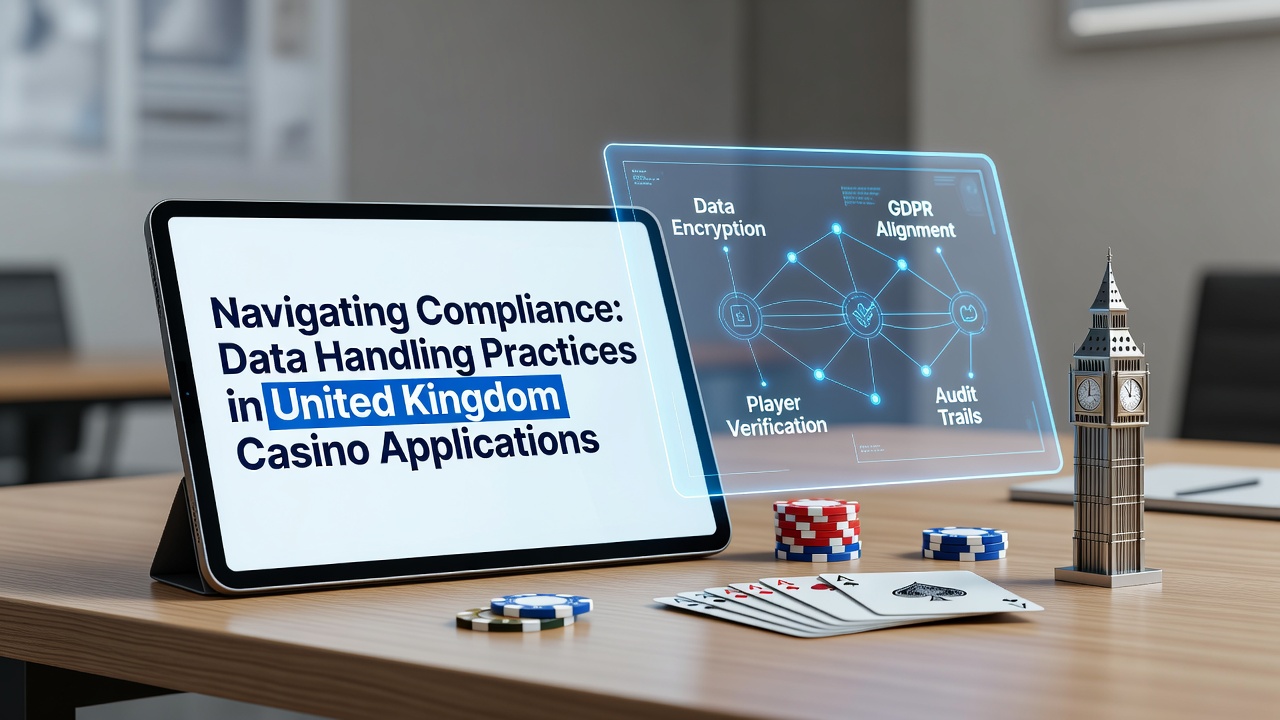
Data Protection Measures Within British Casino Applications
Data handling in United Kingdom casino applications follows strict protocols shaped by the Data Protection Act 2018 along with broader European standards that carry over into post-Brexit operations, and operators must align every collection point with these requirements while managing user accounts, transaction records, and gameplay analytics. Applications collect personal identifiers, financial details, and device information at registration, yet each category demands documented justification tied to licensing conditions and service delivery. Observers note that November 2026 saw several platforms publish updated transparency reports detailing how they segment player data between operational needs and marketing purposes, with clear distinctions drawn between necessary processing and optional enhancements.
Legal Foundations Guiding Storage and Transfer
Operators structure their systems around principles that limit retention periods to defined intervals, after which records undergo secure deletion or anonymisation routines verified through independent audits. Transfers outside the United Kingdom require adequacy decisions or standard contractual clauses that maintain equivalent protection levels, and many applications route European player data through servers located within approved jurisdictions to reduce cross-border risks. Research from the European Data Protection Board indicates that casino platforms increasingly adopt privacy-by-design frameworks during app development, embedding consent mechanisms at every data capture stage rather than retrofitting them later.
Technical Safeguards in Daily Operations
Encryption standards applied to both stored records and live transmission streams meet or exceed current benchmarks, while access controls restrict employee views to role-specific datasets through multi-factor authentication layers. Monitoring tools track unusual query patterns that might signal internal misuse, and automated alerts trigger reviews within hours rather than days. One documented case involved a mid-sized operator that detected anomalous data exports through routine log analysis, leading to immediate isolation of affected accounts and notification to affected users within the required timeframe.

Third-party service providers handling payment processing or analytics receive only the minimum data necessary under binding agreements that impose audit rights and breach notification duties. Regular penetration testing conducted by external specialists identifies vulnerabilities before they can be exploited, and findings feed directly into patch cycles that maintain system integrity across both iOS and Android deployments.
Player Rights and Consent Management
Users exercise access, rectification, and erasure requests through dedicated in-app portals that route directly to compliance teams, with response windows measured in days rather than weeks. Consent records capture the exact timestamp, version of terms accepted, and scope of permissions granted, creating auditable trails that withstand regulatory scrutiny. Applications that allow granular toggles for marketing communications demonstrate higher retention of active accounts, as players appreciate control over how their behavioural data informs promotional offers.
Studies from the Office of the Australian Information Commissioner highlight parallel approaches in other regulated markets, where similar consent architectures reduced complaint volumes by measurable margins. British platforms have adopted comparable layered notices that explain data uses in plain language before players reach the final confirmation step.
Emerging Practices Through Late 2026
By November 2026 several operators introduced differential privacy techniques that add statistical noise to aggregated datasets, preserving analytical value while shielding individual identities from re-identification attempts. Machine learning models used for responsible gaming interventions now process anonymised cohorts rather than raw profiles, aligning with evolving expectations around automated decision-making. Industry reports from Canadian research institutions tracking global gambling technology note that these methods spread quickly once early adopters publish performance metrics showing maintained accuracy alongside stronger privacy guarantees.
Conclusion
Effective data handling in United Kingdom casino applications rests on continuous alignment between technical controls, legal obligations, and user-facing transparency tools. Platforms that treat compliance as an ongoing operational discipline rather than a one-time certification maintain stronger positions when regulations shift or new threats surface. The combination of encryption, access governance, and clear consent flows creates an environment where player information supports legitimate business functions without unnecessary exposure.